Before You Book Kilimanjaro, Read This
Kilimanjaro is iconic. At 5,895 metres, it is Africa’s highest peak and one of the most recognisable trekking objectives on Earth. Each year, over 70,000 people attempt the climb—most spending a week ascending a single mountain via well-trodden routes, sleeping in busy camps, and managing the physiological challenge of altitude.
For many travellers, Kilimanjaro is the obvious choice.
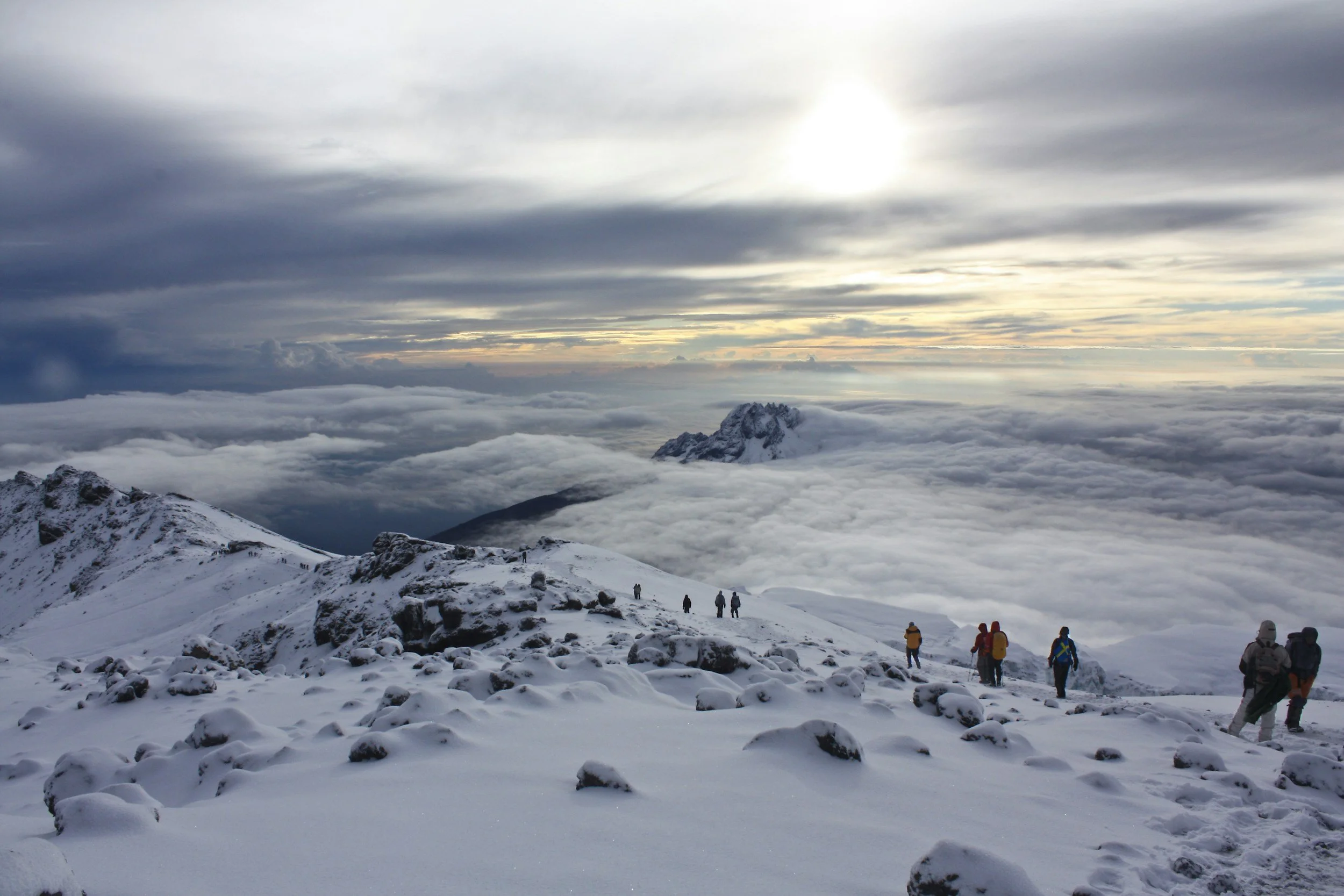
But for those who have already travelled, who value depth over box-ticking, and who are seeking an experience that is richer, rarer, and arguably more meaningful, there is an alternative—one that few people even realise exists.
The combined Great Rift Valley Trek and Footsteps of Mankind Trek is not a replacement for Kilimanjaro. It is something fundamentally different—and, for the right traveller, something far more compelling.
Fewer People. Far Deeper Experience.
While Kilimanjaro sees tens of thousands of hikers annually, fewer than 50 people per year walk this combined route.
This is trekking at human scale.
There are no queues at viewpoints, no summit crowds, no fixed itineraries shared with dozens of other groups. Every journey is private, designed for couples, families, or small groups who want exclusivity without artificial luxury.

And critically, this is not a single objective trek. It is a journey through deep time.
A Landscape That Explains the Planet
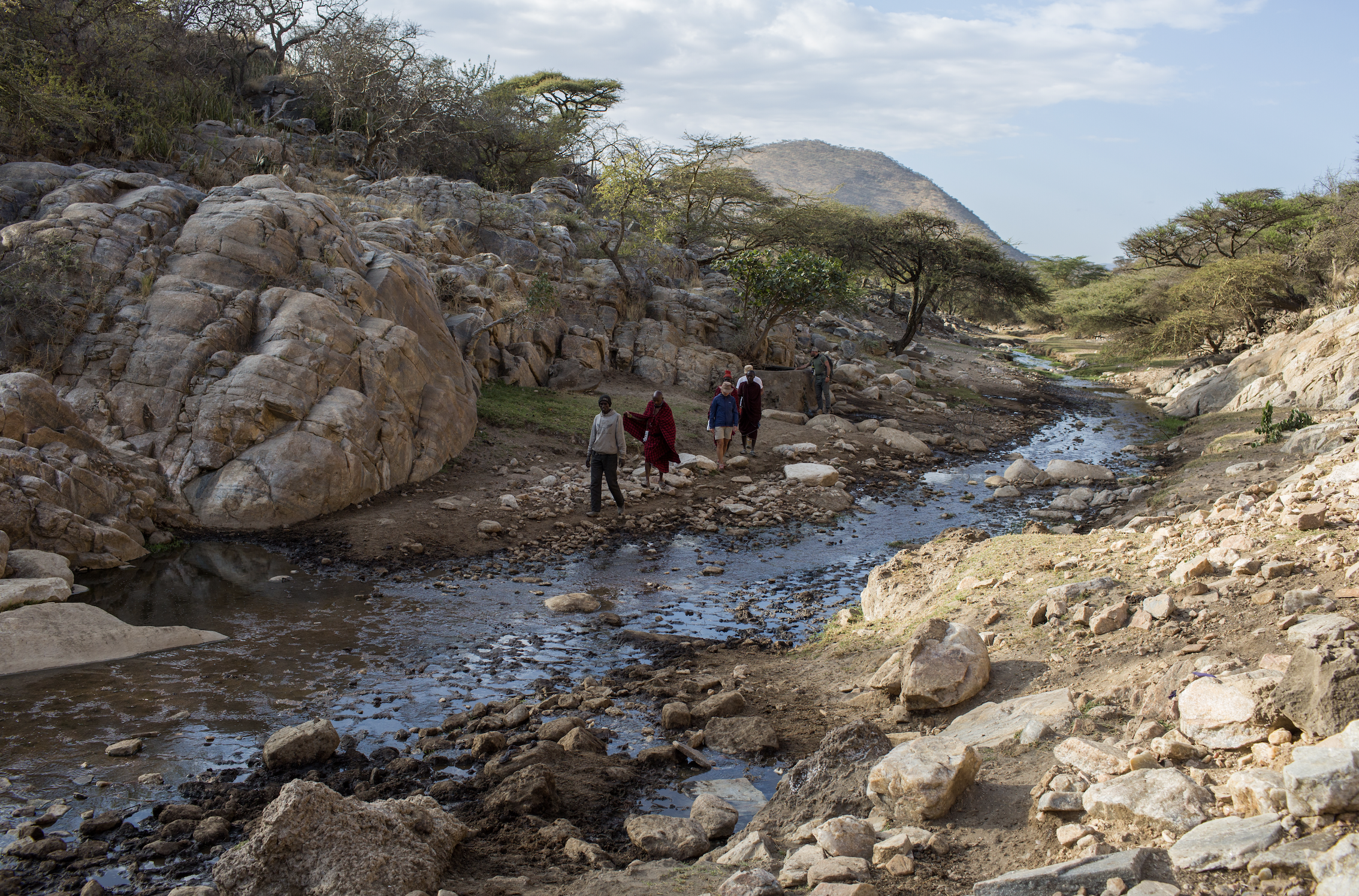
The Great Rift Valley is one of the most significant geological features on Earth—a fracture so vast it is visible from space. Walking its escarpments, you are quite literally standing on the forces that shaped continents.
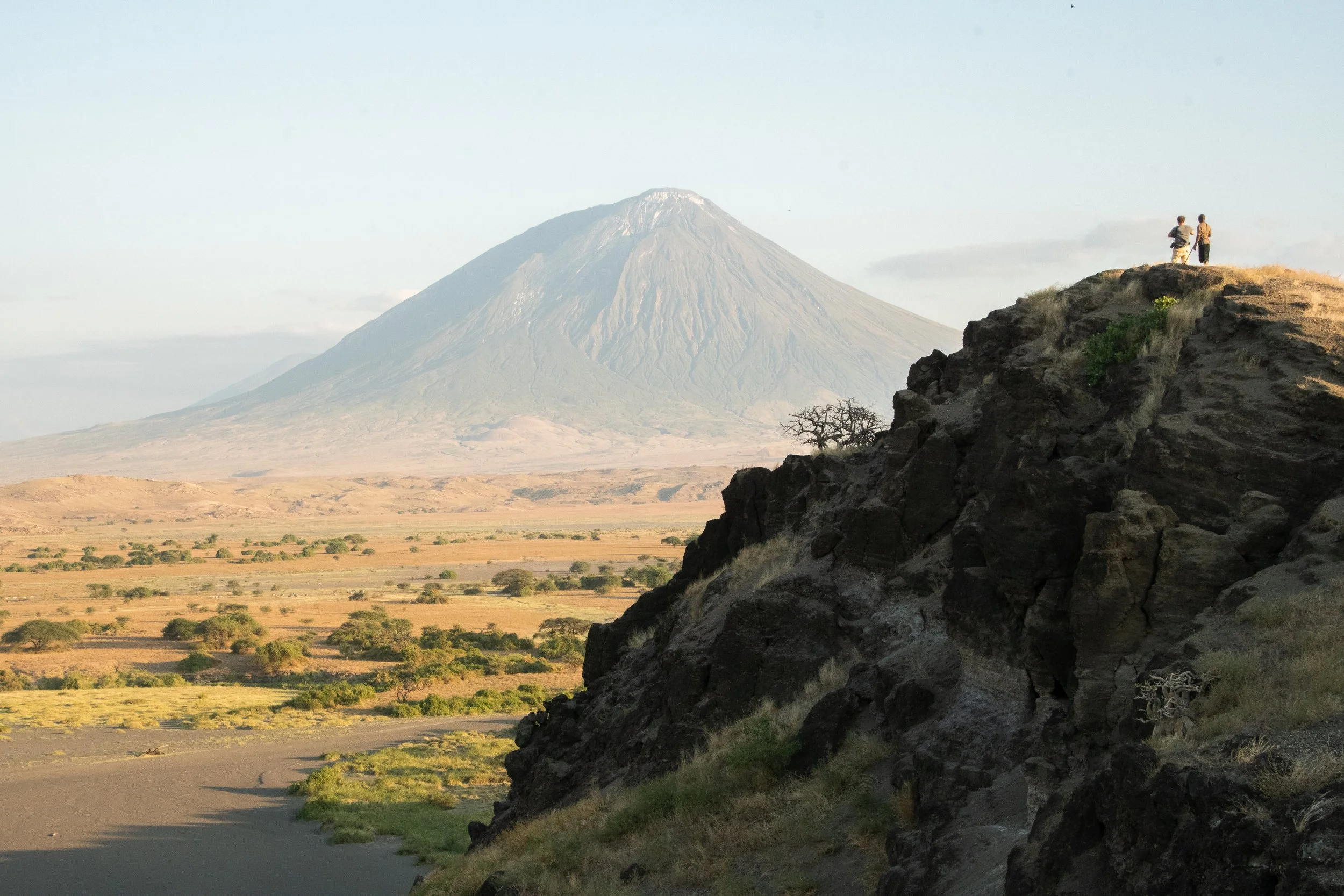
From a single ridge, trekkers can see:
• The Rift Valley floor stretching north and south
• Lake Natron, a soda lake hostile to most life yet essential to East Africa’s flamingos
• Ol Doinyo Lengai, the only active carbonatite volcano on the planet, erupting quietly and frequently
• The Serengeti Plains unfolding beyond the horizon
Few places on Earth allow you to visually connect active volcanism, tectonic movement, and vast ecosystems in one uninterrupted panorama.

The ancient Gol Mountains, thought to be remnants of primordial seabeds hundreds of millions of years old, contrast sharply with Lengai’s ongoing eruptions—placing trekkers simultaneously in geological past and present.
This is not scenery as backdrop. This is geology as narrative.
Walking Where Humanity Began
What truly sets this trek apart is not altitude, but anthropological depth.
The Footsteps of Mankind section of the journey passes through some of the most important human-origin landscapes on Earth. Near Lake Natron, archaic Homo sapiens footprints are preserved in volcanic ash. At Olduvai Gorge, the discoveries of Louis and Mary Leakey rewrote our understanding of human evolution.
Here, trekkers encounter:
• Casts of the Laetoli footprints, dated to 3.6 million years ago and attributed to Australopithecus afarensis
• Sites where Oldowan and Acheulean stone tools—the earliest known technologies—have been found, including artefacts encountered on the trek itself
• Landscapes once traversed by Homo habilis, Homo erectus, and early Homo sapiens
This is not anthropology in a museum. It is anthropology underfoot.
For travellers who want their adventure to carry intellectual and emotional weight, this alone elevates the experience beyond any single-summit climb.

Living Cultures, Not Staged Encounters
History here is not confined to prehistory.
The route passes through lands shaped by ancient hunter-gatherers, later pastoralists, and today’s communities—including the Maasai, Datoga, and Iraqw peoples. Crucially, these are not curated cultural visits.
Trekkers are hosted and guided by trained Maasai guides, men and women whose families have lived in these landscapes for generations. Encounters happen naturally: on the trail, at water points, in shared spaces.
This is community-led tourism—quiet, respectful, and deeply human.
A Trek That Connects Icons, Not Avoids Them
Unlike many “off-the-beaten-track” itineraries, this journey does not isolate you from Tanzania’s world-famous wildlife regions. It connects them.
The trek forms an active link between:
• Ngorongoro Crater (pre-trek safari)
• The Great Rift Valley and Lake Natron landscapes
• The Serengeti National Park (post-trek safari, including migration areas such as Ndutu)
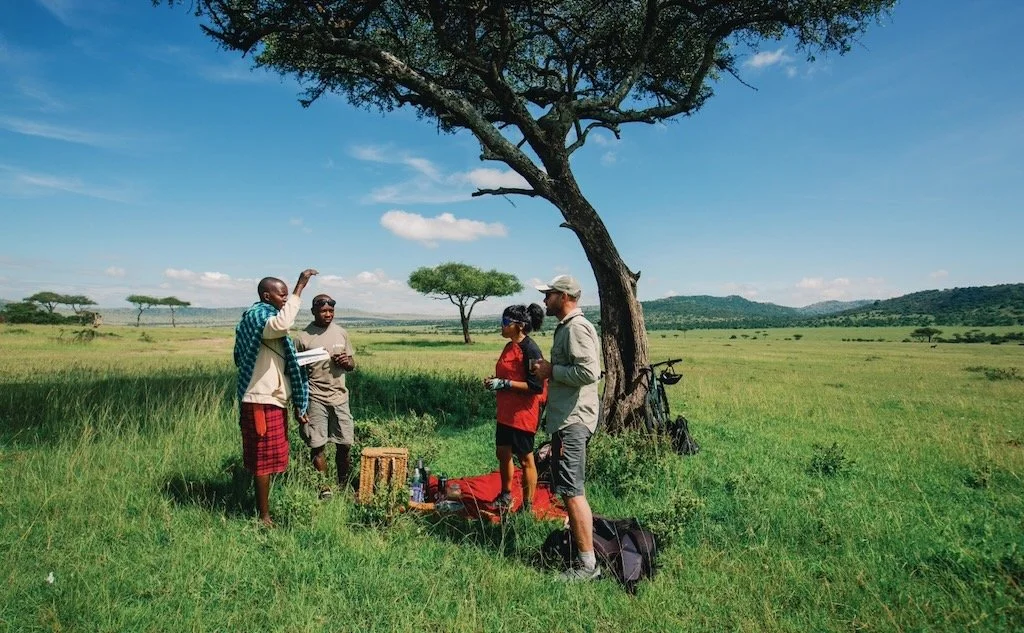
Instead of driving between parks, you walk between worlds—turning what is usually a passive safari itinerary into a cohesive adventure.
For families and experienced travellers, this transforms game viewing from a standalone activity into the culmination of a much larger journey.
Is It Easier Than Kilimanjaro?
In altitude terms, yes. This trek stays far below Kilimanjaro’s extreme elevations, significantly reducing the risk of altitude-related illness.
But it would be a mistake to assume it is “easy”.
Daily walks can reach 12–14 kilometres, terrain is varied, and this is a proper trekking experience. The difference is not effort—it is how that effort is rewarded.
Instead of a single summit photo, each day delivers geological insight, anthropological context, and constantly changing environments.
Why Haven’t You Heard of This?
Because it is complicated.
Marketing budgets favour lodges, vehicles, and standardised itineraries. This kind of journey requires:
• Highly trained local guides
• Deep regional knowledge
• Long-term relationships with communities
• Real logistical commitment
It does not scale easily—and that is precisely its value.
Safe, Supported, and Thoughtfully Run
With over 15 years of operation, more than 500 clients guided on these routes, and Wilderness First Responder–certified guides, safety and professionalism are foundational, not added extras.
Support teams, vehicle access where appropriate, evacuation insurance, and carefully chosen camps—including Leonotis Camp, located within a leased and conserved forest—ensure that the experience is both responsible and secure.
So, Before You Choose Kilimanjaro…
Ask yourself one question:
Do you want to climb a mountain—or do you want to understand where you are standing?
If the answer leans toward depth, meaning, and rarity, then the combined Great Rift Valley and Footsteps of Mankind Trekdeserves serious consideration.
Ready to Explore Further?
• Read the full itinerary
• Download the detailed trek guide
• Find a tour operator near you
• Or speak directly with a regional expert
This is not a trek for everyone.
But for those it is for, it tends to redefine what travel in Africa can be.
Book both treks for a week of trekking and get 10% off the complete trek!